
Duty Free Tobacco Shopping Guide
Cheap Cigarettes Online
Your research tool and catalog aggregator for discount cigarettes and cigars from licensed duty-free suppliers across the EU, UK, USA, and beyond. Free shipping available from listed retailers.
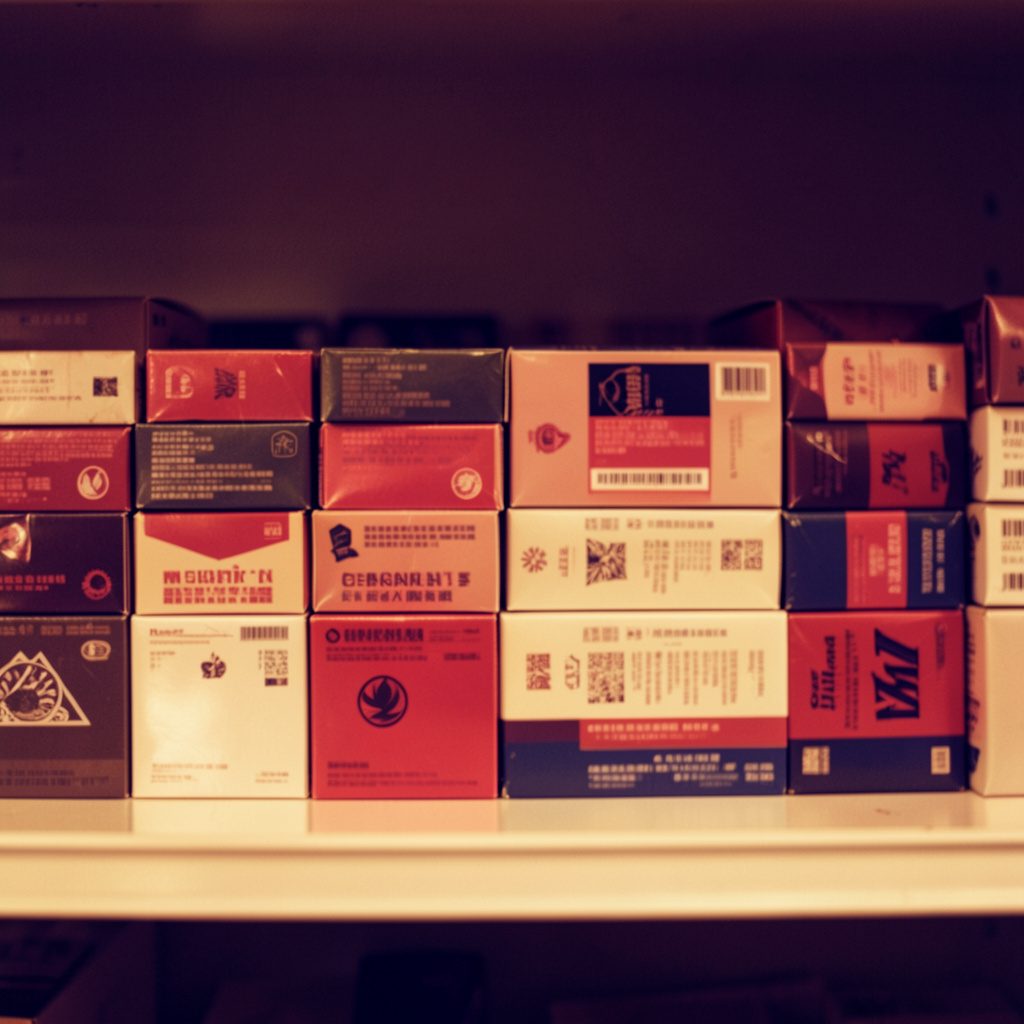
Your Online Tobacco Shopping Guide
Cheap Cigarettes Here is an online collection of links to tobacco stores — a research tool and shopping guide for discount cigarettes and cigars. We do not sell, stock, or ship tobacco products. Instead, we connect you with licensed duty-free suppliers from the UK, USA, Europe, France, Greece, and other regions.
Our catalog features dozens of major cigarette brands alongside affordable lesser-known options. Every listed retailer is presented as truthful, time-proven, and certified. Buyers are responsible for checking customs laws in their country before ordering.
Explore the Catalog →How to tell if a cheap cigarette brand is a local house brand
To determine if a cheap cigarette brand is actually a local house brand, start with ownership rather than the pack price. A house brand is a private-label or own-brand product developed by a supermarket chain, tobacconist, wholesaler or specialist retailer and sold under that seller’s name, often as an exclusive range.
Local does not necessarily mean Australian-made. The cigarettes may be produced overseas by a contract manufacturer and imported through an Australian distributor. Conversely, a cheap-looking brand with broad distribution may be an established value-for-money line rather than a retailer exclusive.
Shopping directories that aggregate tobacco retailers can obscure ownership because each listing leads to a different external supplier. The retailer or importer named on the listing is therefore the primary source of evidence. A directory that only provides links does not itself stock, sell or ship the products.
Australia also provides useful clues. Cigarettes have standardised plain packaging, tobacco excise influences retail prices, and imports remain subject to customs and Australian Border Force controls. Comparing a Sydney supermarket with a Melbourne tobacconist or regional newsagent can reveal both genuine local exclusivity and ordinary price differences.
| Clue | What it suggests | Best next check | Reliability |
|---|---|---|---|
| Sold almost exclusively by one retailer or chain | Possible house brand | Confirm ownership with the retailer | Medium to high |
| Unfamiliar name sold across several states | Discount or national brand | Search major chains and wholesalers | Medium |
| GS1 barcode beginning with 93 | Barcode may have been issued in Australia | Verify the issuing company and country of manufacture | Low for origin |
| Price well below established brands | Tax, volume buying or low-margin selling | Compare the price per 100 cigarettes | Low |
| Importer, batch code or retailer-specific code | Identifies part of the supply chain | Ask the supplier for supporting details | Medium |
What a house brand actually is
A house-brand cigarette may be manufactured by the same factory that produces established brands, but the retailer controls the branding, pack design, product specification and distribution. The label belongs to the retailer or its parent company, while manufacturing and importing can remain the responsibility of separate businesses.
The useful distinction is between ownership and availability. A private-label range appearing only in selected supermarkets is stronger evidence of a house brand than an unfamiliar logo by itself. Conversely, a familiar national discount brand available in many stores is unlikely to be an exclusive label, even when its packaging resembles a retailer’s own product.
Read the pack and retailer evidence
Australia’s plain-packaging rules make visual identification harder because every lawful pack has standardised colours, typography and health warnings. Look beyond the branding for the legal company name, manufacturer details, barcode, batch or lot code, pack size and any mention of an Australian distributor. A retailer’s name or logo on the pack may support a house-brand claim.
A barcode with an Australian GS1 prefix commonly beginning with 93 indicates the organisation that issued the product code, not necessarily where the cigarettes were manufactured. Imported products can be relabelled by a local distributor, so barcode evidence should be combined with information from the supplier rather than treated as conclusive.
Search the exact brand name, product code and pack images across major supermarkets, tobacconists and wholesalers. Wide availability across Sydney, Melbourne and regional stores suggests a national value brand. Availability through one buying group or a small number of affiliated outlets is more consistent with a private-label range.
Confirm who owns and makes the brand
Contact the retailer or supplier and ask who owns the brand, who manufactures it, whether the line is exclusive and which company handles Australian imports. Include the pack image, barcode or batch code so the answer relates to the specific product. A clear ownership statement is more valuable than general descriptions such as exclusive, premium or direct from the manufacturer.
Corporate registers can fill in the gaps. Search the Australian Business Register, ASIC business names, IP Australia and the relevant GS1 directory for the brand owner or trademark applicant. A registered company is not automatically the manufacturer, and a retailer may own the brand through another legal entity. Any Australian-made claim should also be checked against the substantiation required under Australian consumer law.
For imported lines, request details of the importer, country of manufacture and batch identification. An identifiable importer strengthens traceability but does not prove that the product is a house brand. Missing importer information, changing manufacturer stories or codes that cannot be matched are meaningful warning signs.
Weigh price against excise and local retail conditions
Compare the price per 100 cigarettes rather than relying on the pack sticker. Pack sizes, promotions and product ranges differ between outlets, while a low headline price can reflect tobacco excise, import costs, buying volume or minimal retail margins. Cheapness alone is therefore weak evidence of retailer ownership.
Major metropolitan markets such as Sydney and Melbourne often provide more listings and stronger price comparisons than regional areas. State and territory licensing, display requirements and retail markups can also affect what shoppers encounter. A house brand may undercut national brands because it has fewer marketing costs or benefits from concentrated volume, but that relationship is not automatic.
Imported tobacco is not automatically duty-free or exempt because the parcel has a low declared value. Applicable customs charges, excise and border controls must be checked, and personal-use conditions may require sealed original packaging. Buyers should consult current Australian Border Force requirements before ordering and declare tobacco where required.
Check before you buy
Use a consistent verification routine: confirm that the seller is authorised under the applicable Australian rules, identify the brand owner and importer, check the manufacturing origin and compare availability and unit pricing across several retailers. Keep the listing details and any written responses so the product can be distinguished from similarly named lines.
The strongest evidence is a retailer explicitly confirming retailer ownership, an exclusive product code, matching corporate records and a traceable batch or importer. The weakest evidence consists only of an unfamiliar logo, a low price or a barcode. These clues can prompt further checks, but cannot establish a house brand on their own.
Before using any catalogue link, open the external retailer listing, record the brand and product codes, and obtain written confirmation of ownership, origin and shipping conditions. Use the catalogue to build a shortlist, then select only a listing whose supplier can clearly account for the brand and its Australian supply chain for an adult purchaser aged 18 or over.
Request Info
Looking for a specific brand or have questions about duty-free purchasing? Reach out and we'll point you in the right direction.
Featured Brands in Our Catalog
-
✓
Camel
Introduced by R.J. Reynolds Tobacco in summer 1913. Blended with Turkish and Virginia tobacco for a milder taste. Available as duty-free non-filtered and light varieties.
-
✓
Gauloises
Produced in France in king size (85 mm) or long (100 mm). Relaunched in 1984 as Gauloises Blondes with an American-type blend. Known for strong, pleasant taste.
-
✓
State Express 555
King Size Classic cigarettes made in the EU. Offered at discounted prices by wholesale distributors.
-
✓
Craven A
Virginia KS cigarettes made in the UK. Available through online wholesale cigarette stores.
Why Use This Guide
We collect and organize links to licensed duty-free tobacco suppliers so you can compare options across multiple regions — all in one place. Our catalog spans dozens of brands, from premium names like Davidoff and Dunhill to budget-friendly EU-made options.
Every retailer listed has been reviewed for reliability. We also publish regular tobacco industry news covering tax changes, health studies, and product innovations to help you stay informed.
Important: Buyers are responsible for verifying that importing tobacco products is legal in their country. Laws vary by jurisdiction.
Read the FAQ →
Customer Testimonials
"This site saved me hours of searching. I found exactly the brands I was looking for from a reliable EU supplier. The catalog is comprehensive and easy to navigate."
— Michael T.
"I was skeptical at first, but the links led me to a legitimate duty-free store with great prices on Camel and Winston. Free shipping was a bonus. Highly recommend this guide."
— Sarah K.
Frequently Asked Questions
Does this site sell cigarettes?
No. Cheap Cigarettes Here does not sell, stock, or ship tobacco products. We are an online collection of links to tobacco stores — a research tool and shopping guide that connects you with licensed duty-free suppliers.
Is it legal to import cigarettes?
Laws vary by country. Buyers are responsible for checking customs laws in their country before placing any order. Do not order items that are illegal to import into your jurisdiction.
Where do the products come from?
Products are sourced from licensed duty-free suppliers in the UK, USA, Europe, France, Greece, and other regions. Each retailer is presented as truthful, time-proven, and certified.
Do you provide customer support?
No. We do not provide customer support for purchases. Any issues with orders, shipping, or products must be resolved directly with the retailer you choose to purchase from.