
Duty Free Tobacco Shopping Guide
Cheap Cigarettes Online
Your research tool and catalog aggregator for discount cigarettes and cigars from licensed duty-free suppliers across the EU, UK, USA, and beyond. Free shipping available from listed retailers.
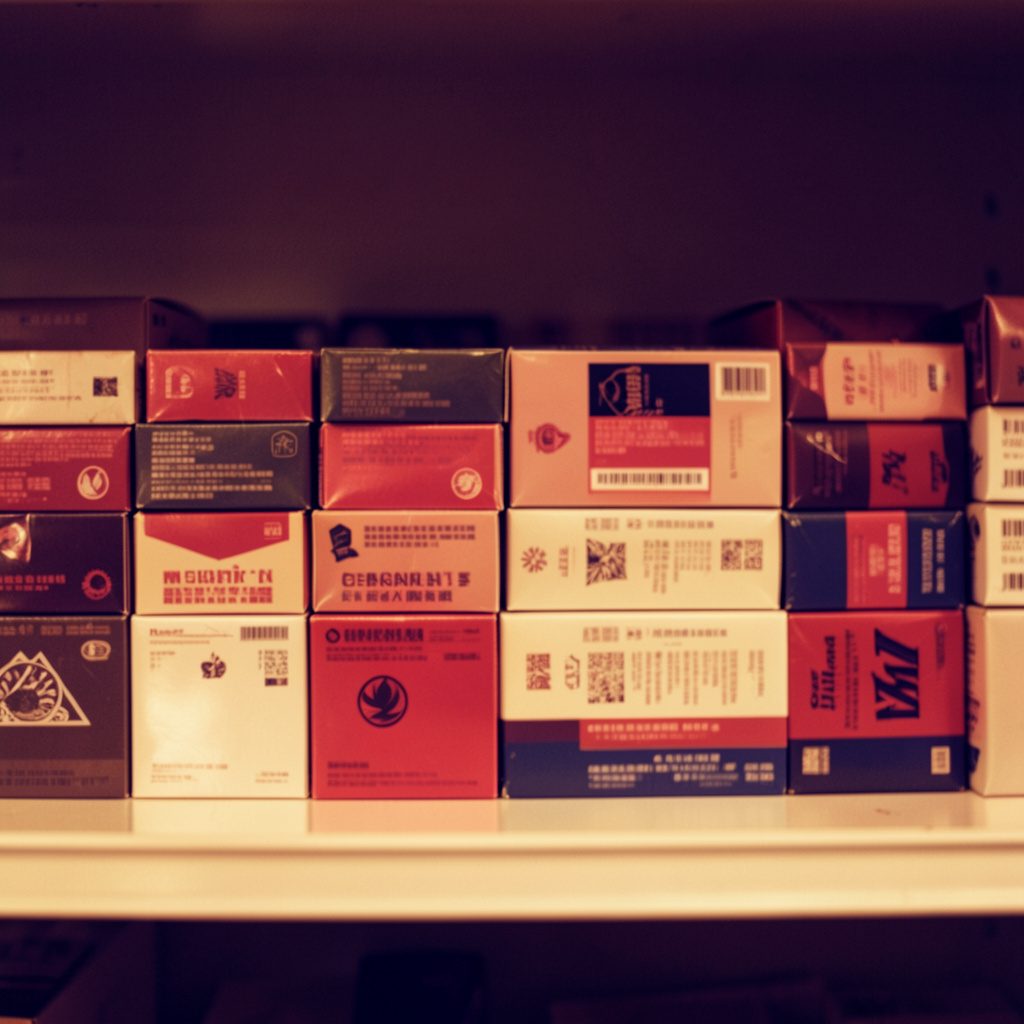
Your Online Tobacco Shopping Guide
Cheap Cigarettes Here is an online collection of links to tobacco stores — a research tool and shopping guide for discount cigarettes and cigars. We do not sell, stock, or ship tobacco products. Instead, we connect you with licensed duty-free suppliers from the UK, USA, Europe, France, Greece, and other regions.
Our catalog features dozens of major cigarette brands alongside affordable lesser-known options. Every listed retailer is presented as truthful, time-proven, and certified. Buyers are responsible for checking customs laws in their country before ordering.
Explore the Catalog →Decoding pack codes to tell genuine cheap cigarettes from fakes
Australia's strict plain packaging regime strips away colourful branding, but it has not stripped counterfeiters of their ambitions. Packs flowing through informal channels around Sydney, Melbourne and Brisbane often carry a price that feels too good, and the difference between a legitimate discounted carton and a convincing fake is no longer visible from the outside. The single most reliable checkpoint sits in plain sight: the alphanumeric string printed near the barcode or seam. Learn more about How To Compare The Ash Quality And Burn Rate Of Discount Cigarette Brands.
Understanding how to read that code, what it should and should not contain, and how to cross-check it with the manufacturer turns a hazy guess into a confident decision. The same logic applies whether the pack arrived from a local tobacconist in Perth or an overseas parcel cleared through Adelaide customs. The code is one piece of evidence, and used alongside smell, burn behaviour and paperwork it gives a clear answer.
What the pack code actually represents
Every legally manufactured cigarette pack carries two distinct identifiers. One is a long numeric string under the barcode, used for retail scanning. The other is a shorter alphanumeric batch code, usually a mix of letters and numbers, indicating production line, factory, shift and date. Major manufacturers rotate batch codes in publicly documented patterns, and independent databases track these rotations over time.
A genuine batch code follows the format published by the maker. A counterfeiter typically guesses, copies an old batch, or reuses one string across thousands of cartons. That shortcut becomes the giveaway. When the code on a discounted carton has no documented match for the supposed brand and year, the question shifts from suspicion to near certainty, and the rest of the verification process becomes a formality.
Finding the code on an Australian pack
Because plain packaging forces visual uniformity in Australia, the code is the only variable element on the side or end panel of the carton. Check the cellophane seam, the bottom of the box, or the area near the barcode on the back. Some manufacturers also print a shortened version on the filter plug wrap of individual sticks, though that is less reliable for full authentication.
A useful habit when buying from a new source in Melbourne, or from a site reached through a search engine, is to photograph the code before opening the pack. That image becomes evidence if a return or report becomes necessary, and it lets a buyer verify after the fact when the shop window is already closed. Many people only realise a pack is fake after the first drag, by which point the receipt and the original packaging are the only tools left.
Pairing the code with a manufacturer check
Once the code is in hand, the next move is a quick lookup on the maker's own site or a trusted third-party database. Some global brands, including those that supply heavily across Europe and the UK, maintain verification portals tied to their production records. The format of the code matters as much as the code itself: letters in the wrong position, or a code that should be eight characters but reads six, points to a lazy forgery rather than a manufacturing quirk.
When a buyer cannot find any listed match at all, that is already a strong signal. Manufacturers rarely produce short runs that escape indexed records. A code that returns no result combined with a seller who shrugs off questions about origin are two flags pointing the same way, and the conversation usually ends there.
Physical cues that reinforce the code reading
Codes confirm the box, but the contents still need to behave like the brand. Counterfeiters struggle with filter density, paper porosity and the tobacco blend itself, so a careful smoke test catches what a scanner cannot. Ash that flakes to almost nothing, a burn tunnel that runs down one side, or a flavour that fades within a few drags points to a filler that does not belong in that wrapper.
For a structured side-by-side comparison of these properties, a practical walkthrough covering ash quality and burn rate of discount cigarette brands shows exactly how different blends perform on a flat surface under timed lighting. Pairing that physical reading with the code check closes most gaps that counterfeit operators exploit, since a pack that passes the code but fails the smoke test is still a fake.
Australian customs rules that shape what arrives
Anyone bringing tobacco into Australia owes duty on amounts above the personal exemption, currently capped at 25 cigarettes or 25 grams of other tobacco products per adult traveller. Cartons mailed from overseas sit outside the traveller exemption entirely. Australian Border Force routinely inspects inbound parcels at the Sydney and Melbourne gateways, and a pack that clears the local courier does not mean it cleared any genuine verification step along the way.
Sellers in Australia who claim their stock is "imported" without naming a licensed wholesaler are often moving product that has not been counted in domestic duty records. That does not automatically mean a fake, but it does mean the buyer's only safety net is the code, the fill, and the paperwork on the carton. Plain packaging rules add another wrinkle: any Australian-sold pack without the standardised drab brown surface and graphic health warnings has not moved through legal channels at all.
Buying from overseas retailers and the risk of fakes
Overseas sites such as international tobacco retailers advertise deeply discounted cartons and ship to many destinations, including Australia. The economic case is straightforward, but so is the counterfeiting case. A code that checks out for a Lithuanian or Spanish batch may simply have been lifted from a legitimate export run by a separate operation that has printed the same labels onto a different filler.
Anyone using cross-border suppliers should treat every carton as unverified until proven otherwise. Saving the order confirmation, the shipping label and the original photograph of the batch code lets the buyer file a meaningful dispute if the product turns out to be falsified. Australia's consumer guarantees rarely reach foreign sellers, so the buyer carries the risk unless a domestic intermediary takes responsibility for what arrives.
Practical steps before committing to a carton
Before lighting the first cigarette from a new or unfamiliar source, run through a short checklist that covers the code, the contents and the paperwork. The points below keep the process disciplined and leave a paper trail if a report becomes necessary later.
- Photograph the batch code before opening the pack, then keep the image with the order details in a single folder.
- Cross-check the code format on the brand owner's site or a reputable third-party database within minutes of delivery.
- Compare ash, burn rate and aroma against a known genuine pack using a controlled side-by-side burn.
- Avoid suppliers who cannot or will not name the licensed wholesaler that supplied their stock.
- Treat any price well under the Australian duty-paid benchmark as a flag rather than a bargain.
- Keep all original packaging and correspondence until the carton has been fully smoked and verified.
- Report any pack that fails both the code and physical checks to the Australian Competition and Consumer Commission or to the brand owner's anti-counterfeit team.
If a discounted carton fails any of the first three checks above, set the rest of the box aside. One questioned pack is often the first hint of a wider supply that has slipped through without proper verification, and bringing the suspect goods to a relevant authority protects the next buyer in the same chain while keeping the local market a little harder to fool.
Request Info
Looking for a specific brand or have questions about duty-free purchasing? Reach out and we'll point you in the right direction.
Featured Brands in Our Catalog
-
✓
Camel
Introduced by R.J. Reynolds Tobacco in summer 1913. Blended with Turkish and Virginia tobacco for a milder taste. Available as duty-free non-filtered and light varieties.
-
✓
Gauloises
Produced in France in king size (85 mm) or long (100 mm). Relaunched in 1984 as Gauloises Blondes with an American-type blend. Known for strong, pleasant taste.
-
✓
State Express 555
King Size Classic cigarettes made in the EU. Offered at discounted prices by wholesale distributors.
-
✓
Craven A
Virginia KS cigarettes made in the UK. Available through online wholesale cigarette stores.
Why Use This Guide
We collect and organize links to licensed duty-free tobacco suppliers so you can compare options across multiple regions — all in one place. Our catalog spans dozens of brands, from premium names like Davidoff and Dunhill to budget-friendly EU-made options.
Every retailer listed has been reviewed for reliability. We also publish regular tobacco industry news covering tax changes, health studies, and product innovations to help you stay informed.
Important: Buyers are responsible for verifying that importing tobacco products is legal in their country. Laws vary by jurisdiction.
Read the FAQ →
Customer Testimonials
"This site saved me hours of searching. I found exactly the brands I was looking for from a reliable EU supplier. The catalog is comprehensive and easy to navigate."
— Michael T.
"I was skeptical at first, but the links led me to a legitimate duty-free store with great prices on Camel and Winston. Free shipping was a bonus. Highly recommend this guide."
— Sarah K.
Frequently Asked Questions
Does this site sell cigarettes?
No. Cheap Cigarettes Here does not sell, stock, or ship tobacco products. We are an online collection of links to tobacco stores — a research tool and shopping guide that connects you with licensed duty-free suppliers.
Is it legal to import cigarettes?
Laws vary by country. Buyers are responsible for checking customs laws in their country before placing any order. Do not order items that are illegal to import into your jurisdiction.
Where do the products come from?
Products are sourced from licensed duty-free suppliers in the UK, USA, Europe, France, Greece, and other regions. Each retailer is presented as truthful, time-proven, and certified.
Do you provide customer support?
No. We do not provide customer support for purchases. Any issues with orders, shipping, or products must be resolved directly with the retailer you choose to purchase from.